In the world of baking, few desserts command as much reverence and debate as the New York-style cheesecake. Its dense, creamy texture and rich flavor have made it an icon, but achieving that perfect consistency and taste is an art form that divides bakers into distinct camps. Two particular variations—the water bath method and the crustless version—have sparked considerable discussion among enthusiasts and professionals alike. Understanding the nuances of these approaches reveals not just technical details, but a deeper philosophy of what makes a cheesecake truly exceptional.
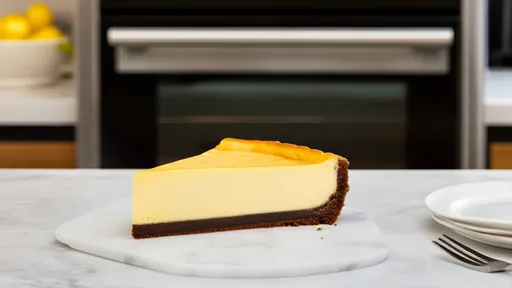
The classic New York cheesecake is characterized by its firm yet velvety texture, achieved through a high proportion of cream cheese and eggs, often enriched with sour cream or heavy cream. Traditionally, it features a graham cracker crust that provides a contrasting crunch and sweetness. However, modern interpretations and dietary preferences have led to experiments that challenge these conventions. The water bath technique, for instance, is employed to ensure gentle, even baking and prevent the dreaded cracks that can mar the surface. On the other hand, the crustless version appeals to those seeking a purer, unadulterated cheese experience or adhering to low-carb lifestyles. Both methods have their merits and pitfalls, and their success hinges on meticulous attention to detail.
When it comes to the water bath method, the primary goal is to create a humid environment in the oven that cooks the cheesecake gently. This technique involves placing the springform pan inside a larger pan filled with hot water, which surrounds the cake with steam during baking. The result is a more uniform heat distribution that reduces the risk of overcooking the edges while the center remains underdone. Moreover, the moisture helps prevent the surface from drying out and cracking, which is often caused by rapid temperature changes or overmixing the batter. For many bakers, this method is non-negotiable; it is the guardian of that flawless, smooth top that signifies a professionally made dessert.
However, the water bath is not without its challenges. One common issue is water seeping into the springform pan, which can lead to a soggy crust or, in the worst cases, a ruined cake. To avoid this, savvy bakers often wrap the bottom and sides of the pan in multiple layers of heavy-duty aluminum foil or use specialized waterproof pan bands. Another consideration is the extra time and effort required, which might deter beginners or those seeking a quicker recipe. Despite these hurdles, proponents argue that the payoff—a crack-free, creamy texture from edge to center—is well worth the hassle. It transforms the baking process from a risky gamble into a controlled science.
Turning to the crustless version, this variation strips the cheesecake down to its essentials, focusing solely on the filling. Without the foundation of a crust, the cake relies entirely on the quality and preparation of the cheese mixture. This approach highlights the pure, tangy flavor of the cream cheese, allowing it to shine without the distraction of sweetness or crunch. It is particularly popular in gluten-free or keto diets, where traditional crust ingredients are off-limits. However, the absence of a crust introduces its own set of difficulties, primarily structural integrity. A crust typically acts as a stabilizer, helping the cake hold its shape during and after baking. Without it, the cheesecake may be more prone to collapsing or sticking to the pan.
To compensate, crustless recipes often call for adjustments in baking time or temperature. Some bakers opt for a longer, slower bake to ensure the center sets firmly, while others incorporate a small amount of flour or alternative thickeners like almond meal to provide stability. The choice of pan is also critical; a well-greased or parchment-lined pan is essential to prevent sticking and facilitate clean removal. Interestingly, the water bath method can be particularly beneficial here, as the gentle heat helps the crustless cake set evenly without overbaking the exterior. When executed correctly, a crustless New York cheesecake can be a revelation—intensely creamy and rich, with a purity that celebrates the core ingredients.
Yet, the debate between these methods often boils down to personal preference and context. Traditionalists might argue that a New York cheesecake isn't complete without its signature crust, which provides textural contrast and balances the richness of the filling. They might view the crustless version as an interesting but ultimately inferior deviation. Conversely, modern bakers or those with dietary restrictions see it as an innovative adaptation that respects the essence of the dessert while making it accessible to more people. Similarly, while the water bath is hailed by many as the key to perfection, some accomplished bakers achieve excellent results without it, relying instead on precise oven temperature control and minimal mixing to avoid incorporating excess air.
In practice, the success of either variation depends on a handful of critical factors. Ingredient quality is paramount; high-fat cream cheese and fresh eggs contribute to a smoother, richer texture. Overmixing is a common pitfall, as it incorporates air bubbles that expand during baking and cause cracks. Similarly, sudden temperature changes—such as opening the oven door too frequently or cooling the cake too quickly—can lead to shrinkage or cracking. For the water bath, ensuring a tight seal around the pan is crucial to prevent water leakage. For the crustless version, thorough greasing and patience during cooling and unmolding are vital to maintain the cake's structure.
Ultimately, both the water bath and crustless approaches offer valuable insights into the versatility and enduring appeal of the New York cheesecake. They represent the evolution of a classic, reflecting changing tastes and techniques while honoring the dessert's luxurious character. Whether one prefers the traditional method with its satisfying crust and foolproof water bath or ventures into the minimalist realm of crustless baking, the journey is a testament to the passion that this beloved dessert inspires. In the end, the perfect cheesecake is not just about following a recipe—it's about understanding the science and soul behind each step, and adapting it to create something uniquely delightful.
By /Aug 20, 2025

By /Aug 20, 2025
By /Aug 20, 2025
By /Aug 20, 2025

By /Aug 20, 2025

By /Aug 20, 2025
By /Aug 20, 2025
By /Aug 20, 2025
By /Aug 20, 2025
By /Aug 20, 2025
By /Aug 20, 2025
By /Aug 20, 2025
By /Aug 20, 2025
By /Aug 20, 2025
By /Aug 20, 2025
By /Aug 20, 2025
By /Aug 20, 2025
By /Aug 20, 2025
By /Aug 20, 2025

By /Aug 20, 2025
