In the bustling streets of Hanoi, where the scent of simmering broth mingles with the morning mist, there exists a culinary legend that has captured the hearts and palates of food enthusiasts worldwide. Pho, Vietnam's iconic noodle soup, is more than just a dish; it is a symphony of flavors, a testament to patience, and an art form where clarity and balance reign supreme. At its very core lies the soul of pho—the broth. Not just any broth, but one crafted from beef bones, simmered for hours upon hours, achieving a clarity so profound it appears almost translucent, yet harbors depths of flavor that whisper secrets of tradition and mastery.
The journey to creating the perfect pho broth begins not in the pot, but in the selection of its foundation: beef bones. Typically, a combination of marrow bones, knuckles, and sometimes oxtail is chosen for their rich collagen and marrow content, which, when subjected to prolonged heat, break down to lend body, silkiness, and a subtle richness to the liquid. But richness alone is not the goal; it is the clarity that sets a great pho apart from the mundane. To achieve this ethereal transparency, the bones must be treated with reverence and care. They are first blanched—a crucial step that involves boiling them briefly to release impurities and coagulated proteins, which rise to the surface as a frothy, gray scum. This scum is meticulously skimmed off, discarded, and the bones are rinsed clean. Only then are they ready to embark on their transformation.
Once purified, the bones are placed in a large stockpot, covered with cold water, and brought to a gentle simmer. Here, patience is the greatest virtue. The broth must never boil vigorously; a rolling boil would emulsify fats and proteins into the liquid, resulting in a cloudy, murky appearance and a muddled flavor profile. Instead, it is maintained at a quiet, steady simmer—a barely perceptible shudder where bubbles occasionally break the surface. This low and slow approach allows the collagen to melt gradually, enriching the broth without agitating the impurities that remain. Throughout this process, which can span anywhere from six to twelve hours, sometimes even longer, the cook remains vigilant, skimming any fat or foam that rises, ensuring that the broth remains pristine, like a clear river flowing over stones.
But clarity is only one half of the equation; the other is flavor. A broth could be crystal clear yet taste insipid if not infused with the right aromatics and spices. This is where the artistry of balance comes into play. The flavor profile of pho broth is a delicate dance between savory, sweet, aromatic, and spicy notes, each element carefully measured so that no single one overpowers the others. The savory depth comes primarily from the beef bones, but it is enhanced with additions like charred onions and ginger. These are not merely tossed in raw; they are held over an open flame until their skins blacken and their flesh softens, a process that caramelizes their natural sugars and unlocks smoky, sweet undertones that add complexity to the broth.
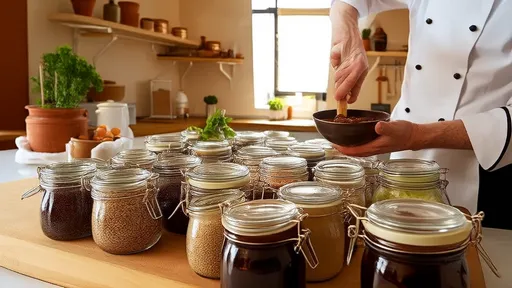
Then come the spices—the heart of pho's aromatic soul. A traditional blend includes star anise, cloves, cinnamon, black cardamom, and coriander seeds. Each spice brings its own character: star anise offers a sweet, licorice-like perfume; cloves contribute a warm, pungent depth; cinnamon lends a woody sweetness; black cardamom introduces a smoky, eucalyptus note; and coriander seeds provide a citrusy, earthy backbone. However, these spices are potent, and their inclusion requires a deft hand. Too much star anise, and the broth becomes overwhelmingly sweet; too many cloves, and it turns medicinal. To prevent this, the spices are typically dry-roasted lightly to awaken their essential oils, then tied in a cheesecloth sachet, which allows their flavors to seep into the broth gradually without leaving behind gritty residues. This sachet is added only after the broth has been simmering for several hours, and it is removed once the desired intensity is achieved, ensuring that the spices perfume rather than dominate.
Balancing these elements is an intuitive process, honed through generations of practice. The broth is tasted, adjusted, and tasted again. A touch of rock sugar might be added to round off the sharp edges and enhance the natural sweetness from the bones and onions. Fish sauce, that quintessential Vietnamese umami bomb, is drizzled in towards the end of cooking, its salty, funky depth layering over the beefy base. Yet even here, restraint is key; too much fish sauce can overpower the delicate spices, while too little leaves the broth lacking in depth. The goal is a harmonious blend where the initial sip reveals the clean, robust flavor of beef, followed by the warm embrace of spices, and finishing with a subtle sweetness that lingers on the palate.
Beyond the technical precision, there is a cultural philosophy embedded in the making of pho broth. It reflects the Vietnamese values of harmony and balance—yin and yang—where opposing forces create a unified whole. The clarity represents purity and simplicity, while the complex spicing signifies depth and intricacy. Together, they form a broth that is both comforting and exhilarating, familiar yet full of surprise. It is a dish that demands time and attention, a antidote to modern fast-paced life, reminding us that some things cannot be rushed.
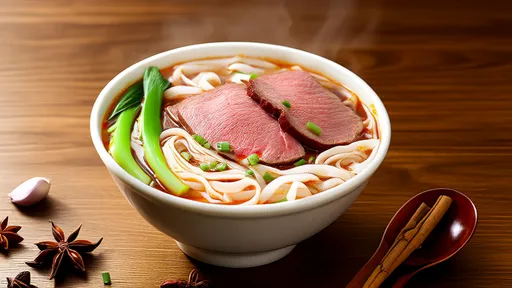
When served, the broth is strained through fine-mesh sieves or cheesecloth to remove any lingering particles, resulting in a liquid so clear you could read a newspaper through it. It is poured piping hot over slender rice noodles and thinly sliced raw beef—often eye of round or sirloin—which cook gently in the broth's heat. Garnishes of fresh herbs like Thai basil, sawtooth herb, and cilantro, along with bean sprouts, lime wedges, and sliced chilies, are provided on the side, allowing each diner to customize their bowl to their liking. But even with these additions, the broth remains the star—a testament to the painstaking effort behind its creation.
In the end, a bowl of pho is more than sustenance; it is a narrative in a bowl. The clear, amber broth tells a story of patience and precision, while the balanced spices speak of tradition and artistry. It is a dish that has traveled from the narrow alleys of Hanoi to the bustling cities of the world, yet its soul remains unchanged. For those who take the time to savor it, each spoonful offers not just flavor, but a glimpse into the heart of Vietnamese culture—where clarity and balance are not just culinary ideals, but a way of life.
By /Aug 20, 2025

By /Aug 20, 2025
By /Aug 20, 2025

By /Aug 20, 2025

By /Aug 20, 2025

By /Aug 20, 2025
By /Aug 20, 2025
By /Aug 20, 2025
By /Aug 20, 2025
By /Aug 20, 2025
By /Aug 20, 2025

By /Aug 20, 2025
By /Aug 20, 2025
By /Aug 20, 2025
By /Aug 20, 2025
By /Aug 20, 2025
By /Aug 20, 2025
By /Aug 20, 2025
By /Aug 20, 2025

By /Aug 20, 2025
