As the menstrual cycle progresses, many women notice distinct changes in their bodies, and one of the most commonly reported shifts occurs in appetite and food cravings in the days leading up to menstruation. This phenomenon, often brushed off as a simple case of "PMS munchies," is deeply rooted in the complex interplay of hormones that govern the menstrual cycle. Understanding these fluctuations isn’t just about satisfying curiosity—it’s about empowering individuals to navigate this monthly phase with greater awareness, making choices that support both physical comfort and emotional well-being.
The menstrual cycle is orchestrated by a delicate dance of hormones, primarily estrogen and progesterone. In the first half of the cycle, known as the follicular phase, estrogen levels gradually rise, peaking just before ovulation. This hormone is often associated with feelings of vitality and stable energy. However, after ovulation, during the luteal phase, progesterone takes the lead. It’s this hormonal shift that sets the stage for the premenstrual symptoms many are familiar with, including changes in appetite. Progesterone, known for its role in preparing the body for a potential pregnancy, can increase metabolic rate slightly, which might lead to a natural uptick in hunger. Simultaneously, serotonin levels—a key neurotransmitter regulating mood and appetite—often dip in the luteal phase. This drop can trigger cravings, particularly for carbohydrates and sugars, as the body seeks quick ways to boost serotonin and improve mood.
For many, these cravings aren’t just a mild preference but an intense pull toward specific types of food. Common cravings include chocolate, salty snacks, creamy cheeses, or carb-heavy comfort foods like pasta and bread. There’s a biological logic behind these desires. Carbohydrates aid in the production of serotonin, offering a temporary mood lift. Meanwhile, salty cravings might be linked to subtle shifts in hydration and electrolyte balance as progesterone can have a mild diuretic effect. It’s not merely a lack of willpower; it’s the body’s innate response to hormonal changes.
While it might be tempting to view these cravings as an adversary to be resisted, a more compassionate and effective approach involves working with your body’s signals rather than against them. Deprivation often backfires, leading to overindulgence later or fostering a negative relationship with food. Instead, acknowledging the craving and finding a balanced way to address it can be more sustainable. If you’re craving something sweet, for example, pairing a small piece of dark chocolate with a handful of nuts can provide satisfaction while adding protein and healthy fats to stabilize blood sugar. If salty snacks are calling, opting for a small portion of popcorn seasoned with nutritional yeast or a sprinkle of sea salt on roasted chickpeas can hit the spot without derailing overall nutrition.
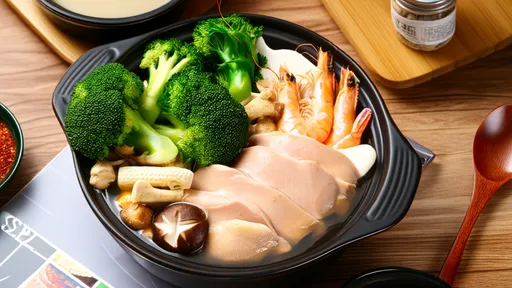
Beyond managing cravings, supporting your body with nutrient-dense foods during the premenstrual phase can help mitigate other PMS symptoms like bloating, fatigue, and mood swings. Magnesium-rich foods, such as leafy greens, nuts, seeds, and dark chocolate, can be particularly beneficial. Magnesium plays a role in muscle relaxation and may help reduce water retention and cramping. Complex carbohydrates from whole grains, sweet potatoes, and legumes provide a steady release of energy, combating fatigue and supporting stable serotonin levels. Including adequate iron from sources like lean meats, lentils, and spinach is also wise, especially for those with heavier periods, to prevent fatigue associated with blood loss.
Hydration is another critical piece of the puzzle. It might seem counterintuitive when feeling bloated, but drinking plenty of water can actually help flush excess sodium and reduce water retention. Herbal teas like peppermint or ginger can be soothing, while avoiding excessive caffeine and alcohol may help minimize breast tenderness and mood fluctuations. Remember, the goal isn’t perfection but awareness and intentional choices that make you feel your best during a time when your body is working hard.
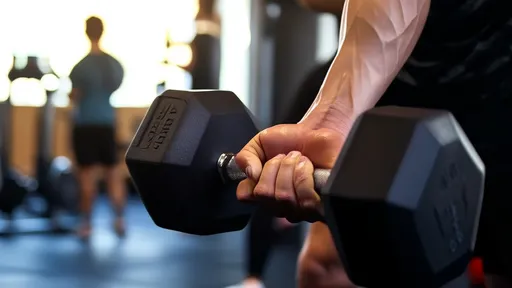
It’s also worth noting that physical activity, even gentle movement, can be a powerful tool. Exercise releases endorphins, which are natural mood lifters and can help curb cravings. A brisk walk, some yoga stretches, or a dance session in your living room can shift your mindset and energy levels positively. Listen to your body—some days you might need rest, and that’s perfectly okay.
Every person’s experience with their menstrual cycle is unique. While many notice increased appetite and specific cravings, others might experience a decrease in hunger or no change at all. Factors like stress, sleep quality, overall health, and individual hormonal sensitivities all play a role. Tracking your symptoms over several cycles can provide valuable personal insights, helping you identify patterns and tailor your diet and lifestyle choices to your body’s specific needs.
In embracing these hormonal ebbs and flows, we move away from framing them as a problem to be solved and toward viewing them as a natural part of the cycle. By tuning into your body’s cues and responding with kindness and nourishment, you can transform the premenstrual phase from a time of struggle to one of self-care and empowerment. It’s not about controlling your body but partnering with it, honoring its rhythms, and making choices that support your well-being all month long.

By /Aug 25, 2025

By /Aug 25, 2025

By /Aug 25, 2025
By /Aug 25, 2025

By /Aug 25, 2025
By /Aug 25, 2025
By /Aug 25, 2025

By /Aug 25, 2025

By /Aug 25, 2025

By /Aug 25, 2025

By /Aug 25, 2025
By /Aug 25, 2025

By /Aug 25, 2025

By /Aug 25, 2025

By /Aug 25, 2025

By /Aug 25, 2025

By /Aug 25, 2025

By /Aug 25, 2025

By /Aug 25, 2025
By /Aug 25, 2025
