Pregnancy represents one of the most transformative periods in a woman's life, characterized by profound physical and emotional changes. While rest and proper nutrition are undeniably important, the role of physical activity during this time is equally significant—and often misunderstood. For decades, pregnant women were advised to avoid exertion, but contemporary medical research has thoroughly debunked this notion. Today, we understand that for most women with uncomplicated pregnancies, exercise is not only safe but highly beneficial. It can boost mood, improve sleep, reduce common discomforts, and even prepare the body for labor. However, this encouragement comes with crucial caveats. The key lies in understanding which activities are supportive and which pose potential risks, making an informed and personalized approach to movement absolutely essential.
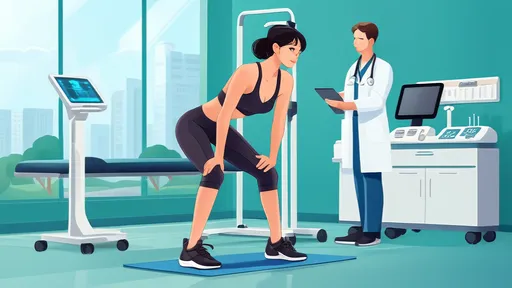
Before lacing up your sneakers, the first and most critical step is to consult with your healthcare provider. Every pregnancy is unique, and what is safe for one person may not be advisable for another. Your doctor or midwife can evaluate your individual health status, consider any underlying conditions, and provide personalized guidance. Generally, if you were active before pregnancy, you can often continue your routine with modifications. If you are new to exercise, this is not the time for high-intensity training; instead, it's an opportunity to gently introduce low-impact activities. This conversation with your care provider sets the foundation for a safe and effective fitness plan, ensuring your choices align with the wellbeing of both you and your baby.
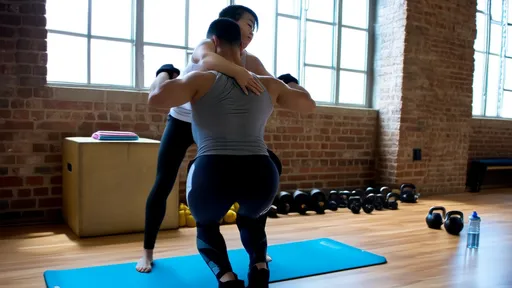
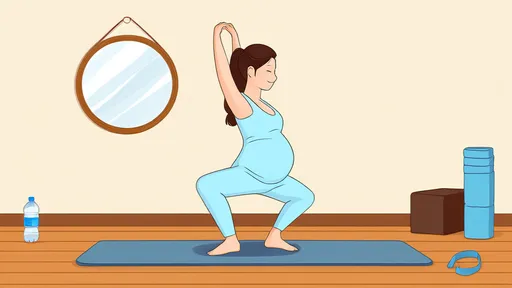
For those who receive the green light, a world of beneficial exercises awaits. Walking stands out as a superstar—it's low-impact, requires no special equipment, and can be easily adjusted for intensity. Swimming and water aerobics are also exceptional choices. The buoyancy of water supports your growing belly, relieves pressure on your joints, and can significantly reduce swelling. Prenatal yoga and Pilates are highly recommended for their focus on strength, flexibility, and breathing. These practices can be invaluable for managing labor pains and improving recovery postpartum. Stationary cycling is another safe option, offering a good cardiovascular workout without the risk of falling. The common thread among all these activities is their low-impact nature and their ability to be modified as your body changes throughout the trimesters.
As your pregnancy progresses, listening to your body becomes your most important skill. Hormonal changes, particularly the increase in relaxin, loosen your ligaments and joints to prepare for birth, but this also makes you more susceptible to strains and injuries. This means your usual yoga pose might need a gentler variation, and your run might need to become a brisk walk. Pay close attention to signals from your body. Overheating is a serious concern, so exercise in a climate-controlled environment, stay hydrated, and avoid activity during the hottest part of the day. Dizziness, shortness of breath, chest pain, or vaginal bleeding are all clear signs to stop immediately and contact your doctor. The goal is maintenance and wellness, not setting personal records.
While many activities are encouraged, there is a definitive list of absolute contraindications that must be strictly avoided. These are activities with a high risk of falling or abdominal trauma. Contact sports like soccer, basketball, and hockey are off-limits due to the potential for impact. Activities with a high fall risk, such as downhill skiing, rock climbing, horseback riding, and gymnastics, should be paused until after delivery. Scuba diving is strictly prohibited because the pressure changes can cause dangerous gas bubbles to form in your baby's bloodstream. Similarly, exercising at high altitudes (above 6,000 feet) can deprive both you and your baby of essential oxygen. Any exercise that involves lying flat on your back for extended periods after the first trimester should also be avoided, as the weight of your uterus can compress a major blood vessel, reducing blood flow to your heart and your baby.
Beyond specific activities, certain health conditions make exercise too risky. These are known as absolute contraindications, and if you have any of them, your doctor will advise complete rest. These include serious heart or lung disease, an incompetent cervix, carrying multiples with risk of preterm labor, persistent bleeding in the second or third trimester, or placenta previa after 26 weeks. If your water breaks prematurely or you develop preeclampsia, exercise is no longer safe. It is vital to have complete honesty with your healthcare team about your health history and any new symptoms that arise, as your eligibility for exercise can change as your pregnancy evolves.
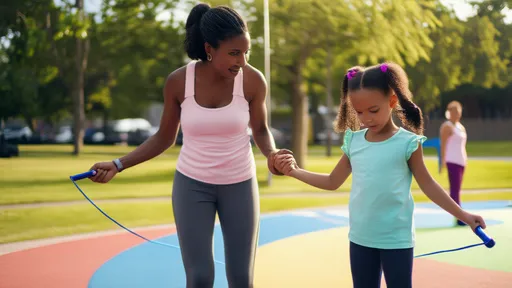
Ultimately, navigating fitness during pregnancy is about embracing a philosophy of mindful movement. It's a time to shift your focus from performance and intensity to connection and nourishment. The activities you choose should make you feel energized, not exhausted. They should be a source of stress relief and joy. By combining professional medical advice with deep attunement to your own body's wisdom, you can cultivate a movement practice that supports a healthier, more comfortable pregnancy and a stronger foundation for the incredible journey of motherhood that lies ahead. The greatest success is a healthy parent and a healthy baby.

By /Aug 25, 2025

By /Aug 25, 2025

By /Aug 25, 2025

By /Aug 25, 2025

By /Aug 25, 2025

By /Aug 25, 2025
By /Aug 25, 2025

By /Aug 25, 2025

By /Aug 25, 2025
By /Aug 25, 2025
By /Aug 25, 2025
By /Aug 25, 2025

By /Aug 25, 2025

By /Aug 25, 2025

By /Aug 25, 2025

By /Aug 25, 2025

By /Aug 25, 2025

By /Aug 25, 2025
By /Aug 25, 2025
By /Aug 25, 2025
