In the evolving landscape of preventive healthcare, the integration of specialized screening programs for women with comprehensive exercise safety assessments represents a pivotal advancement. This dual-focused approach not only addresses the unique physiological and health challenges faced by women but also empowers them to engage in physical activity safely and effectively. Historically, health initiatives have often employed a generalized methodology, but the growing body of research underscores the necessity for gender-specific considerations, particularly in cardiovascular, bone, metabolic, and hormonal health. Concurrently, as more women of all ages embrace fitness regimes—from recreational running to high-intensity interval training—the importance of pre-participation evaluations tailored to female physiology cannot be overstated. By merging these two critical components, healthcare providers can create a holistic framework that promotes long-term wellness, prevents injury, and mitigates the risk of underlying conditions being exacerbated by physical exertion.
The foundation of any effective women's health screening program lies in its ability to be both comprehensive and personalized. Key screenings often include assessments for breast cancer, cervical cancer, osteoporosis, and cardiovascular disease, which remain leading health concerns. However, a modern approach also considers factors like polycystic ovary syndrome (PCOS), thyroid disorders, and mental health, which disproportionately affect women and can significantly influence overall well-being and physical capacity. For instance, undiagnosed hypothyroidism can lead to fatigue, weight gain, and muscle weakness, all of which could deter a woman from exercise or make it unsafe without proper management. Similarly, conditions like anemia, which is more prevalent in women due to menstrual losses, can impact energy levels and oxygen transport during exercise. Therefore, a thorough screening protocol does not merely check for diseases but evaluates the entire physiological profile to establish a baseline of health.
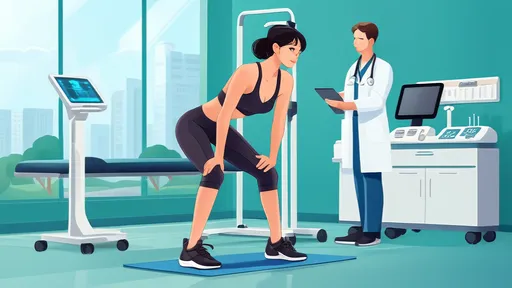
When these health screenings are paired with a detailed exercise safety assessment, the synergy can dramatically enhance health outcomes. An exercise safety evaluation for women should extend beyond standard heart rate measurements or flexibility tests. It must account for hormonal fluctuations across the menstrual cycle, which can affect ligament laxity, hydration status, and energy metabolism. For example, the luteal phase of the cycle often sees a rise in core body temperature and a decrease in plasma volume, which may increase the risk of overheating and dehydration during endurance activities. Likewise, bone density scans from health screenings can inform exercise recommendations; a woman with osteopenia would benefit from weight-bearing and resistance exercises to strengthen bones but might need to avoid high-impact activities that could lead to stress fractures. Such nuanced guidance ensures that exercise prescriptions are not only effective but also safe.
One of the most critical intersections of health screening and exercise safety lies in cardiovascular health. Heart disease is the leading cause of death for women globally, yet its symptoms often present differently than in men, leading to underdiagnosis. A health screening might include blood pressure checks, cholesterol panels, and tests for inflammatory markers, which are essential for identifying risk. When combined with an exercise assessment—like a graded exercise test or ECG monitoring during activity—clinicians can detect arrhythmias, ischemic responses, or blood pressure abnormalities that only manifest under physical stress. This is particularly important for women who are new to exercise or returning after a long hiatus, as sudden intense activity can pose risks if underlying cardiac issues are present. By identifying these concerns early, providers can recommend appropriate exercise modifications or treatments, potentially saving lives.
Mental and emotional health is another domain where integrated screening and exercise evaluation prove invaluable. Women are at a higher risk for anxiety and depression, and physical activity is a proven mitigator of these conditions. However, without a proper health screening, underlying issues such as vitamin deficiencies, hormonal imbalances, or thyroid dysfunction might be overlooked as contributors to mood disorders. An exercise safety assessment can then tailor activities to maximize mental health benefits; for example, recommending yoga or mindful walking for stress reduction instead of high-intensity workouts that might exacerbate anxiety. This holistic view ensures that exercise is prescribed not just for physical fitness but as a tool for comprehensive mental wellness.
For women in different life stages, the combination of health screenings and exercise assessments takes on added significance. Adolescents and young adults might focus on screenings for PCOS or eating disorders, which can impact nutritional status and bone health, while exercise evaluations can guide safe participation in sports to prevent injuries like ACL tears, to which young female athletes are more prone. During pregnancy, screenings for gestational diabetes or hypertension are routine, and exercise assessments must adapt to changing biomechanics and cardiovascular demands to ensure safety for both mother and child. Perimenopausal and postmenopausal women face shifts in metabolism, bone density, and cardiovascular risk, making screenings for osteoporosis and heart disease critical, alongside exercise plans that emphasize strength training to combat muscle loss and balance exercises to prevent falls.
Implementing this integrated model requires collaboration among healthcare providers, fitness professionals, and the women themselves. Physicians, gynecologists, and cardiologists must communicate findings clearly to certified trainers or physical therapists, who can then design individualized exercise programs. Technology, such as wearable fitness trackers and telehealth platforms, can facilitate ongoing monitoring and adjustments. Moreover, education plays a crucial role; women should be informed about the importance of both regular health check-ups and pre-exercise evaluations to take an active role in their health journey. Community programs and workplace wellness initiatives can also promote these services, making them more accessible.
In conclusion, the confluence of women-specific health screenings and detailed exercise safety assessments forms a powerful paradigm in preventive medicine. This approach recognizes the distinct physiological, hormonal, and psychological factors that influence women's health and physical performance. By moving beyond one-size-fits-all recommendations, it offers a personalized roadmap that not only detects and manages health issues early but also enables women to pursue active lifestyles with confidence and safety. As research continues to evolve, this integrated strategy will undoubtedly become a cornerstone of women's healthcare, fostering resilience, vitality, and longevity through every stage of life.

By /Aug 25, 2025

By /Aug 25, 2025

By /Aug 25, 2025
By /Aug 25, 2025

By /Aug 25, 2025

By /Aug 25, 2025
By /Aug 25, 2025

By /Aug 25, 2025

By /Aug 25, 2025

By /Aug 25, 2025

By /Aug 25, 2025
By /Aug 25, 2025

By /Aug 25, 2025

By /Aug 25, 2025

By /Aug 25, 2025

By /Aug 25, 2025

By /Aug 25, 2025

By /Aug 25, 2025

By /Aug 25, 2025
By /Aug 25, 2025
