As a new mother navigates the beautiful yet demanding journey of breastfeeding and caring for her infant, maintaining physical health often takes a backseat. However, integrating gentle yet effective exercises tailored for the upper body and core can significantly enhance a mother's well-being during this delicate phase. The postpartum period brings about numerous physical changes, and a thoughtful approach to fitness can aid recovery, improve posture, and boost energy levels without compromising milk supply or overall health.
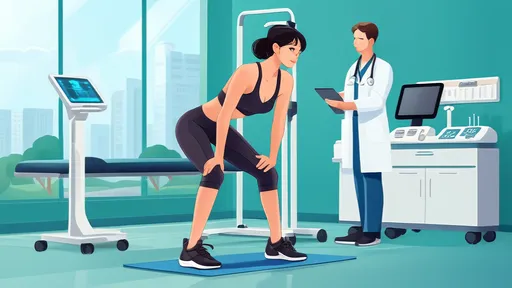
During lactation, a mother's body undergoes hormonal shifts that affect muscle and joint stability, particularly in the upper back, shoulders, and abdominal region. Engaging in strenuous activities too soon can lead to strain or injury, which is why low-impact, mindful movements are highly recommended. The focus should be on exercises that strengthen without causing fatigue or stress, aligning with the body's natural recovery process. Consulting a healthcare provider before starting any new routine is essential to ensure safety and appropriateness for individual conditions.
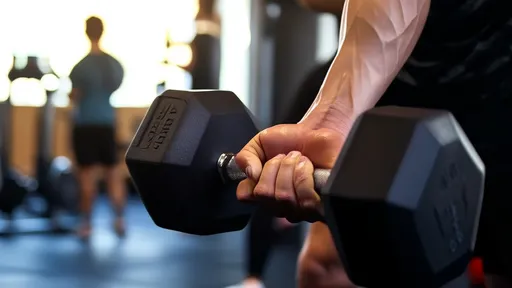
Upper body strength is crucial for new mothers, as constant lifting, carrying, and feeding the baby can lead to muscle tension and discomfort. Simple exercises like modified push-ups against a wall or seated dumbbell curls with light weights can help build endurance in the arms, chest, and back. These movements not only alleviate the physical demands of motherhood but also promote better posture, reducing the risk of chronic pain. Incorporating stretches for the shoulders and neck, such as gentle rolls or reaches, can further enhance flexibility and relaxation.
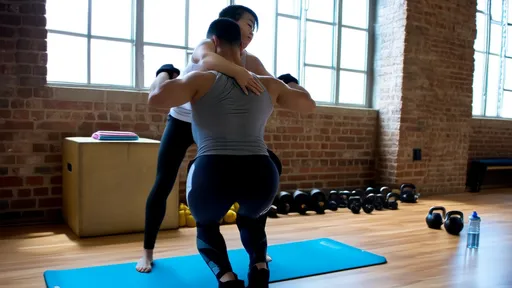
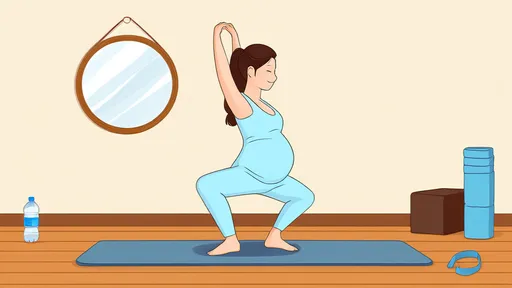
The core muscles, including the abdominals and lower back, play a vital role in postpartum recovery, especially after pregnancy-related changes like diastasis recti. Core exercises should emphasize stability and gentle engagement rather than intensity. Techniques like pelvic tilts, modified planks on the knees, or deep breathing with abdominal contractions can help reactivate these muscles safely. Avoiding traditional crunches or sit-ups initially is advisable to prevent undue pressure on the healing tissues. Over time, these practices can restore core strength, support spinal health, and improve overall functional movement for daily tasks.
Balancing exercise with the demands of breastfeeding requires attention to timing and hydration. Mothers should aim to nurse or pump before workouts to avoid discomfort and ensure adequate fluid intake throughout the day. Listening to the body's signals is key; if any pain or exhaustion arises, it's important to rest and modify activities accordingly. The goal is gradual progress, not pushing limits, fostering a sustainable routine that complements the nurturing role of motherhood.
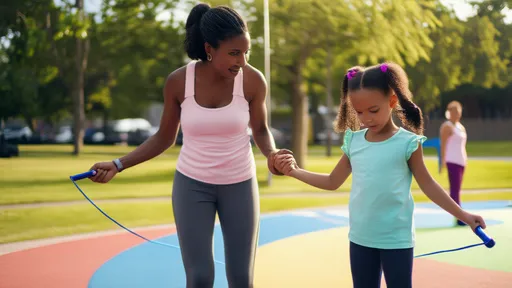
In addition to physical benefits, these gentle workouts offer mental and emotional advantages. The repetitive, calming nature of such exercises can reduce stress and anxiety, common during the postpartum period. Taking even short breaks for movement can provide a sense of accomplishment and self-care, reinforcing a positive mindset. Ultimately, this holistic approach supports both the body and mind, empowering mothers to thrive during lactation and beyond.
To summarize, a tailored regimen of upper body and core exercises offers immense value for breastfeeding mothers, promoting strength, recovery, and well-being without overwhelming the body. By prioritizing safety, moderation, and consistency, new moms can embrace fitness as a supportive part of their postpartum journey, enhancing their ability to care for their little ones with vitality and confidence.

By /Aug 25, 2025

By /Aug 25, 2025

By /Aug 25, 2025
By /Aug 25, 2025

By /Aug 25, 2025

By /Aug 25, 2025
By /Aug 25, 2025

By /Aug 25, 2025

By /Aug 25, 2025
By /Aug 25, 2025
By /Aug 25, 2025
By /Aug 25, 2025

By /Aug 25, 2025

By /Aug 25, 2025

By /Aug 25, 2025

By /Aug 25, 2025

By /Aug 25, 2025

By /Aug 25, 2025
By /Aug 25, 2025
By /Aug 25, 2025
